AI vs Human Brain in Marketing
AI is everywhere
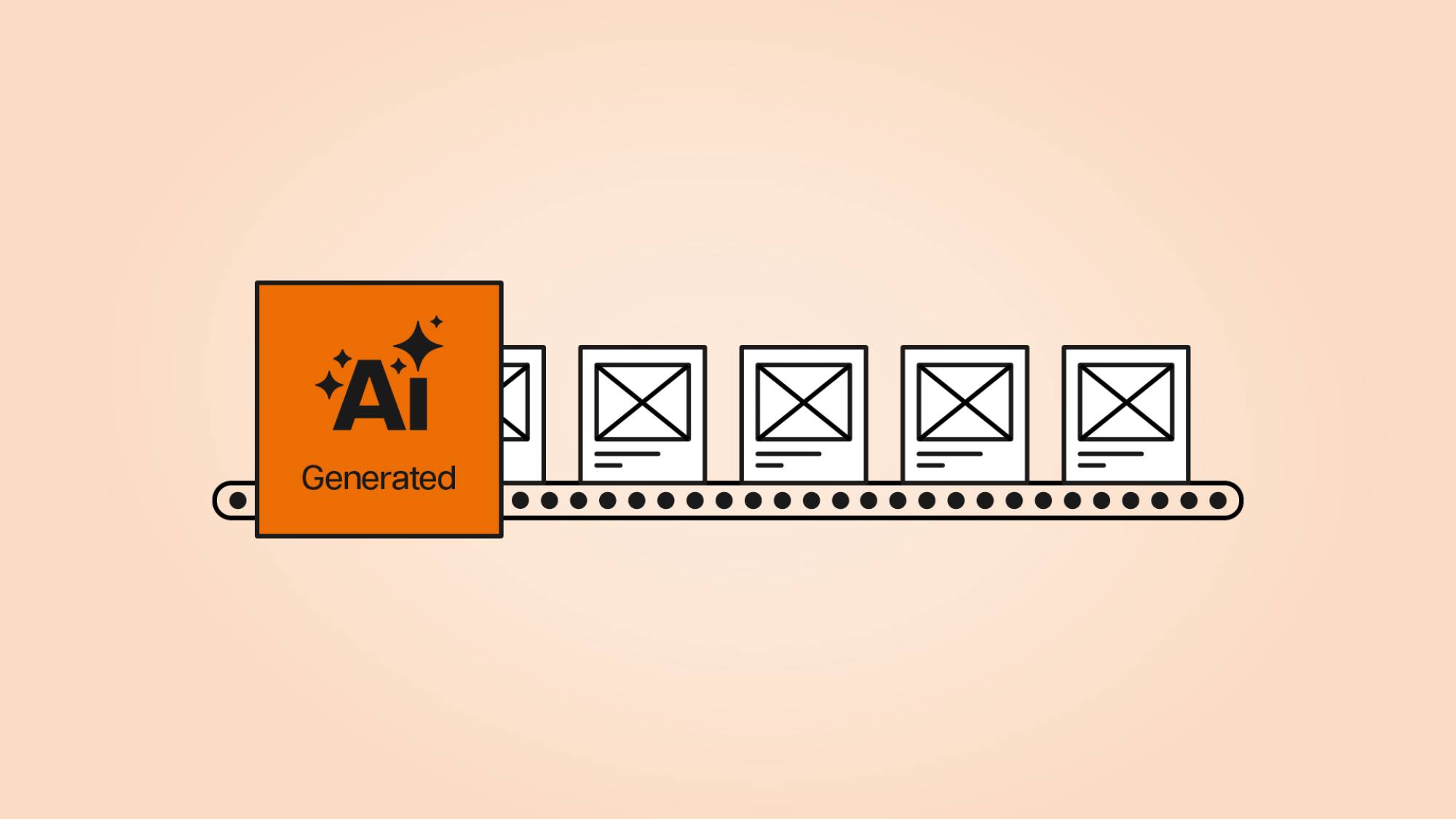
Just like in the movies, AI has taken over. Not in a dramatic, world-dominating way - but in our strategies, our marketing plans and our day-to-day tasks. AI is being used to write emails, create content, build campaigns, and yes, even draft blogs (not this one!). It’s saving marketers time and increasing overall efficiency. But are you using AI as it is intended? Is it a helpful tool supporting your thinking - or has it quietly become your entire brand strategy?
In this blog, we’ll explore how AI can be a useful marketing tool - but why it should never replace strategic thinking.
AI can be a useful tool.
When used intentionally, AI can be a powerful addition to your toolkit. It can accelerate efficiency by reducing time spent on repetitive tasks and help you come up with ideas when you’re sitting staring at a blank page. From drafting your email outlines to helping analyse data patterns, AI can be beneficial to a company. But that just explains how its real strength isn't creativity - it is speed. AI can't replace strategic thinking. It enhances it. It gives marketers more time to focus on the parts that really matter.
Used well, AI isn’t the strategist. It is the assistant!
Where AI negatively affects marketing
Yes, AI can produce volume in a matter of seconds, but it cannot define value.
It is easy to spot a brand that uses AI for its social media. Everything begins to sound the same, repetitive, and not tailored to your specific target audience. Brand identity slowly disappears and, therefore, engagement rates decrease. This can cause real issues for brands when it comes to authenticity, differentiation, and human connection.
Brand Identity
Around 92% of marketers have admitted to using AI to complete their day-to-day tasks. As a result, a recent survey by SAP Emarsys found that 40% of consumers feel that brands “don’t get them”. This rise in AI-generated content leads consumers to believe brands do not care about or value them, leaving them wondering why they support them. Maintaining consistent brand messaging is therefore essential to building trust and strengthening long-term customer relationships.
Authenticity
Authenticity builds trust - and without trust, what do we have? Research shows that if content seems AI-generated, it can negatively affect consumers' trust. 20% of consumers found that AI-generated content makes a brand seem lazy and untrustworthy. While AI can be a powerful tool, it should support creativity rather than replace genuine brand storytelling. Maintaining authenticity and a consistent brand voice is crucial for preserving credibility with your audience.
Human Connection
Connection is at the heart of human behaviour. From our own personal relationships to the brands we support, we are drawn to what makes us feel understood and valued. We want to feel that the brand understands us and puts our needs first. But how are we going to feel that when the main person behind the brand isn’t real? AI simulates empathy; it doesn't feel it like we do, which leads to ‘robotic’ content that doesn't connect with an audience emotionally.
Short term
Following on the idea that AI can produce content rapidly, this shows that AI in marketing can help with short-term planning. AI’s biggest advantage is speed and the rate at which it can produce content. It allows us to produce content quickly at scale. However, this also means more content flooding social platforms, making it extremely difficult for brands to stand out. When content is created without care or strategy, its long-term impact is reduced. Social media success still heavily relies on thoughtful planning, creativity and consistency.
Reliability
As humans, we can be led to believe everything we read or see on the internet is real, and the same can apply to AI-generated content. AI creates content based on patterns in existing data, which means it can lead to incorrect predictions and information. In marketing, this can lead to messaging or content that feels too generic, basic, or off-brand. Therefore, human judgment is still essential for researching, reviewing, and verifying information to ensure content remains reliable and authentic to the brand.
The difference between a tool and a strategy
A strategy answers the big overarching questions we have - why are we doing this, who are we targeting, and what do we want to achieve? Tools answer the how - they can help you go through the plan, but they don't create the direction.
To make it more exciting, think of it as a performance. The strategy is the overall script - it shapes the story and the overall direction of the performance. It is where you decide how you want your audience to feel and think. Without it, there is no real narrative! The tools are what help bring that script to life. They are the lighting, the sound and the costumes. They enhance the performance, but no matter how impressive they are, they can’t create meaning on their own.
To relate it back to marketing, here is a quick example of strategy vs tools:
Strategy (Why & What) | Tool (How) |
|
|
So yes, AI can help speed up the execution, but at what cost? It cannot replace human thinking and the whole strategy behind it. The real value in marketing comes from understanding your target market, defining your specific goals and creating a strategy that pieces everything together.
So why do we value human-led thinking at Dynam?
We recognise the growing role of AI in the marketing world, and we understand how it can be beneficial to many businesses in speeding up processes and explaining things. But strategy, insight and meaningful brand building should always be centred around people. And who knows humans better than humans?
At Dynam, we have a team of creative thinkers, designers and marketers who focus on understanding your business, audiences and goals. That is why our team takes the time to ask questions, challenge ideas and work collaboratively to find the best approach to every project. With over 20 years of experience, we work closely with our clients to develop ideas that don’t just look good but actually deliver results.
So whilst AI continues to evolve, one thing remains the same - successful marketing will always start with human thinking.
If you would like to chat about your marketing, branding or digital strategy, get in touch with the team at Dynam - we would love to hear about your next project!
Related articles
-
marketing
![]() Key Insights for Today’s CMOs
The essential insights helping CMOs navigate today’s marketing landscape.
-
marketing
![]() From Negative to Positive: How Sentiment Tracking Can Transform Your Business
Harness the Power of Sentiment Analysis to Elevate Your Brand Strategy.
-
marketing
![]() Setting Marketing KPIs and SMART Objectives for Your Business
-
marketing
![]() 6 Steps To Marketing Plan Success
This blog offers a 6 step guide towards the creation of a successful marketing plan.